
Watching football is one thing. Actually analysing it? That’s a whole different ball game and Glasgow Clyde College is now giving students the chance to learn exactly how it’s done.
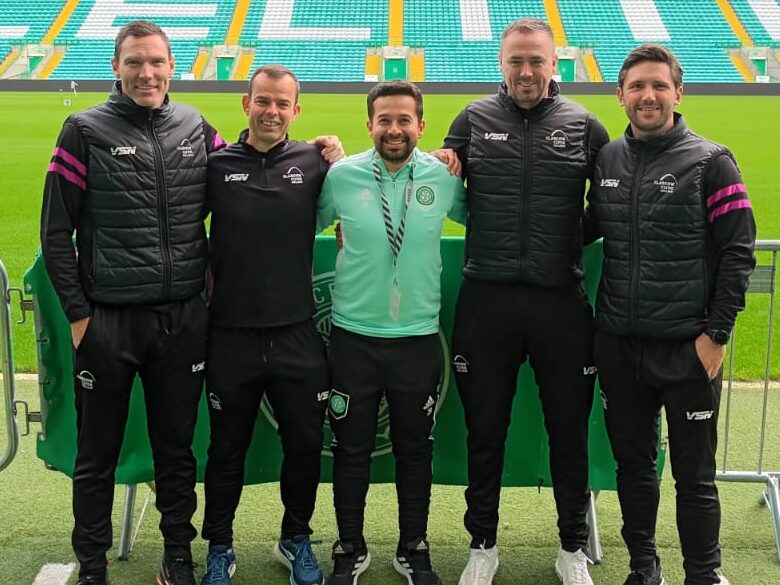
The college, a recent winner of the Herald Further and Higher Education Awards FE Institution of the Year, is the first in Scotland to launch a dedicated Applied Performance Analysis in Football unit.
Whether you’re dreaming of a career as a coach, an analyst or a scout, this could be the foot in the door you’ve been looking for.
What’s football analysis all about?
The SCQF level 6 unit sits within Glasgow Clyde College’s NQ Football Performance course at the Cardonald campus and was built from scratch by sports lecturer Grant Cassidy and curriculum manager David McGurn – two guys who love both football and finding new ways to teach it.
The idea is simple but powerful: there’s a massive difference between watching a match and truly understanding what’s happening on the pitch. This unit gives you the tools, the software and the analytical mindset that professional clubs use every single day.
We’re talking real industry software – NAC Sport, Hudl, Coach Paint – plus live match analysis, consultancy projects with local clubs and building your own professional scouting reports. It’s hands-on, career-focused and built around what the game actually looks like at the top level.
Football analysis is a ‘fast-growing role’
Grant explained: “We wanted to create something bespoke, unique and career-focused – a programme that gives students a real taste of what performance analysis jobs in football look like. There’s a real difference between simply watching football and actually analysing it and this unit gives our students the building blocks to become future analysts, coaches and scouts.”
David, himself a former professional goalkeeper, added: “Performance analysis is one of the fastest-growing roles in football, but it’s also one of the least understood. By embedding this into the curriculum and working closely with clubs, we’re helping to create a new pathway into the sport that could put Scotland on the map as a leader in football analysis education.”
Don’t like writing? Don’t worry
What stands out about this course is how it’s been designed with inclusion front and centre. Following Universal Design for Learning principles, students can show what they know through written work, visuals or oral presentations. No one-size-fits-all approach here, just a genuine focus on making sure every student can succeed and walk away with a portfolio that reflects real-world experience.
And the results are already speaking for themselves. One former student has gone on to work at Queen’s Park FC, and their experience directly helped shape the structure of this unit. The course can also be adapted for clubs at any level – from grassroots all the way up to the Scottish Premier League and Scottish Women’s Premier League.
What’s next?
The long-term ambition goes well beyond the classroom. Glasgow Clyde College wants to work directly with football clubs across Scotland to shape coaching strategies and player development.
For now though, if you’re a football obsessive who’s always wanted to go deeper than the highlights reel, this might just be the course that changes everything.
Useful links
Discover how this SCQF level 6 qualification compares on our interactive framework.
With football capturing global attention during the World Cup, there has never been a better time to develop your coaching knowledge and skills.
As fans watch the world’s best players and coaches compete on the biggest stage, many are inspired to take a closer look at what happens behind the scenes to create successful teams.
The Applied Principles and Practices of Football Coaching unit – available as part of Glasgow Clyde College’s NQ Football Performance and Coaching course at SCQF level 6 – offers the opportunity to do exactly that.
Learn about effective football coaching
Written by curriculum manager David McGurn and sports lecturer Shaun Gallagher, the unit has been designed for aspiring coaches, current practitioners, players and football enthusiasts.
It provides a practical and engaging introduction to the key principles that underpin effective coaching.
Learners explore how to plan and deliver football sessions, analyse technical and tactical performance and create learning environments that help players develop.
By combining theory with practical coaching experiences, participants gain the confidence to apply modern coaching methods in real-world situations.
Delivered with Celtic Soccer Academy
The 18-week NQ course, which includes the coaching unit, is delivered in partnership with Celtic Soccer Academy.
Learners develop their technical abilities and tactical game via weekly coaching sessions from the Celtic Soccer Academy and earn a range of SFA Awards along the way.
As this is a pathway course, it can also lead to further studies or even possible opportunities with Celtic Football Club, Celtic Soccer Academy or the Celtic Foundation.
Sports lecturer Shaun is proud of the learning and career progression offered to the students at Glasgow Clyde. He said “Over the years it’s progressed from an SCQF level 4 programme, to level 6, now level 7 and potentially onto level 8, going from NQ through to HNC and possibly HND. The way the students have developed under the stewardship of the coaches at Celtic has been incredible.”
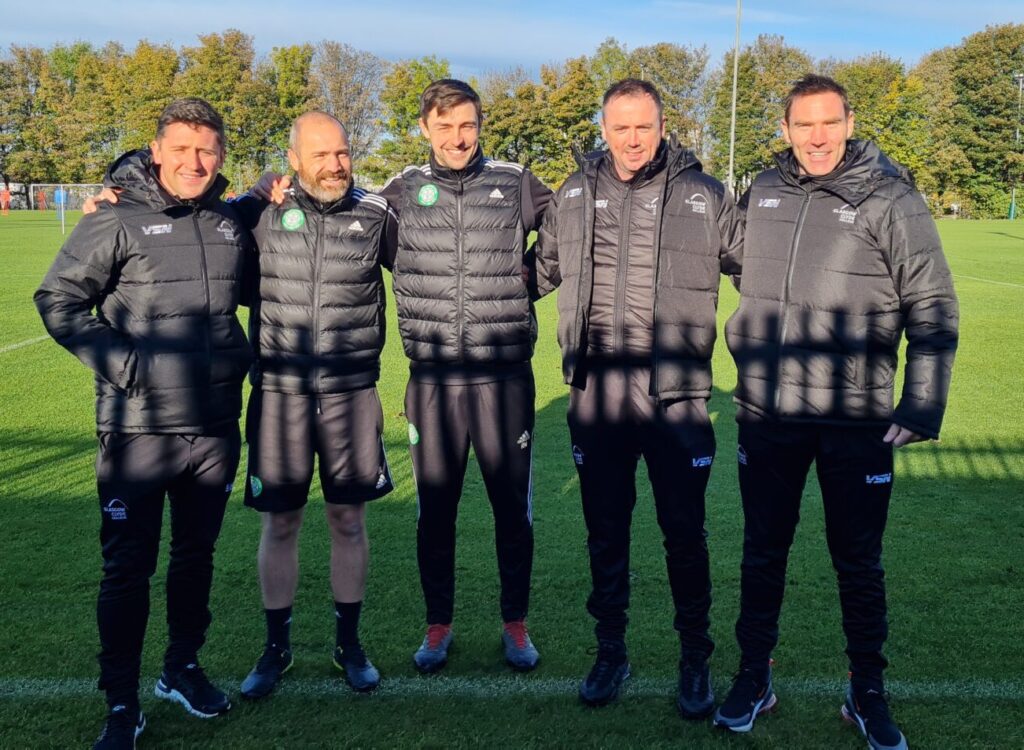
To date, 30 graduates from the course have progressed into employment with Celtic FC.
NQ student Barry Templeton praised the course. He said: “I want to be a head coach and possibly start my own football academy. Since being on the course, the number of experienced coaches we’ve met has been great. The amount of experience, the amount of tactical knowledge, the everyday workings of a football club. So … it’s been great to get to know all that.”
Award-winning
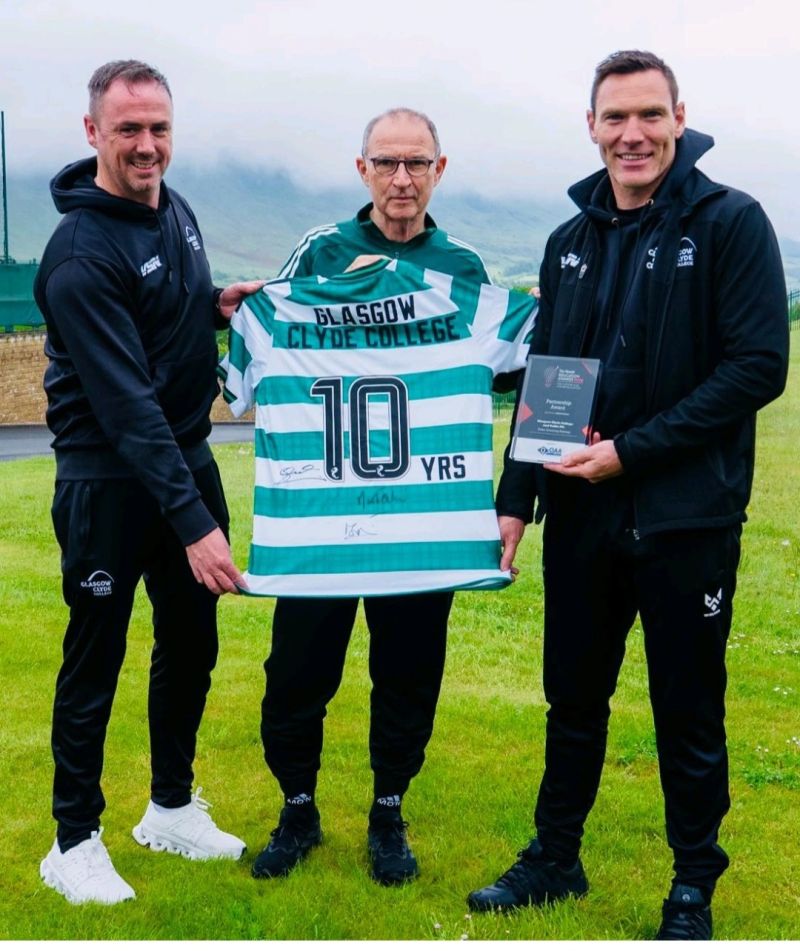
The Soccer Academy has been partnered with Glasgow Clyde College for the past 10 years and the collaboration has scooped the Partnership Award at the recent Herald Education awards.
As the World Cup inspires the next generation of footballers, it can also inspire the next generation of coaches. This course offers a fantastic opportunity to turn that inspiration into meaningful learning and professional development.
Whether you’re hoping to begin a career in football coaching, enhance your current practice, or simply deepen your understanding of the game, this programme provides the knowledge and practical skills needed to support players at every level.
Useful links
Find out more and submit your application now ahead of the course start date in August 2026.
Discover how the SCQF level 6 qualification compares on our interactive framework.
Did you know that men account for 75% of suicides, making it the leading cause of death for men under 45?
These staggering statistics highlight the urgent need for mental health support for men.
Brothers in Arms, a Scottish charity dedicated to male mental well-being, is leading the way. It has launched an innovative mental health training programme that features on the Scottish Credit and Qualifications Framework (SCQF).
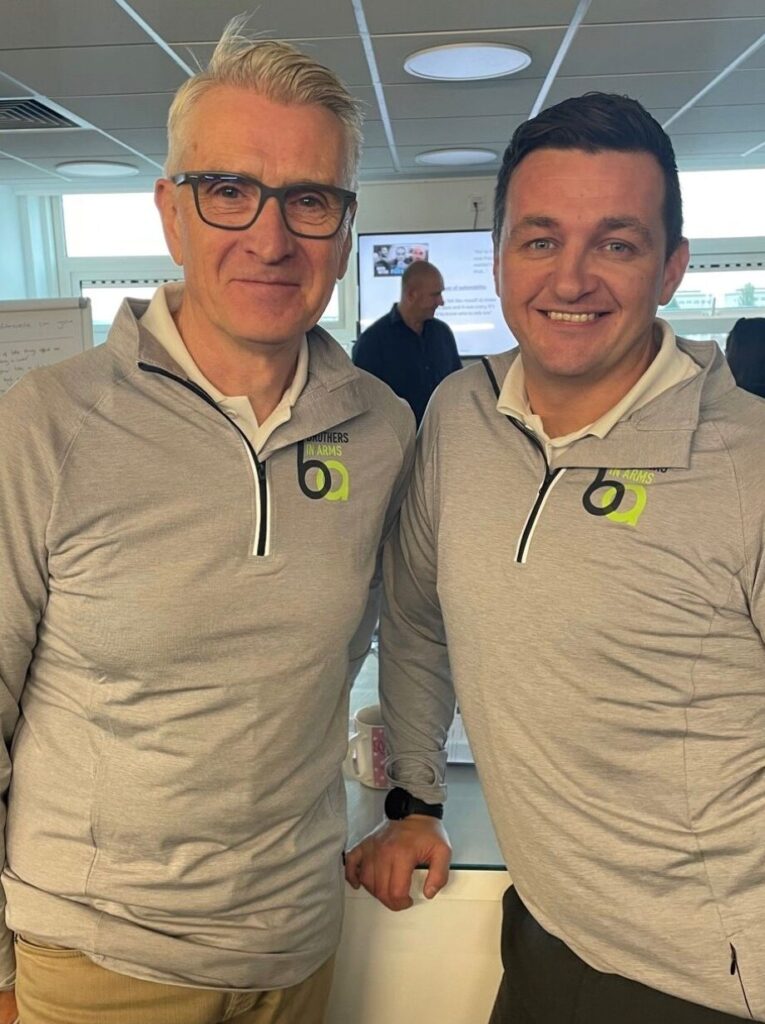
‘Introduction to Conversations for Male Mental Health’ has been credit-rated at SCQF level 5, with one credit point. This shows that the programme is the same level of difficulty as a National 5 and takes 10 hours to complete.
Gary Goldie: The vision behind the programme
The programme wouldn’t exist without the passion and expertise of Gary Goldie. As a personal trainer and mental health advocate, Gary has been instrumental in its development.
In collaboration with the Violence Reduction Unit, part of Police Scotland, Gary and the team identified that men found it much easier to open up to their barbers than their GP.
With vital input and experience from Rebel Rebel Barbers and support from the Psychology Department at Strathclyde University a structured approach to addressing sensitive topics such as depression, self harm and suicide was created.
This led to the creation of the Reaching In conversations. These conversations provide barbers and other professionals with tools to broach difficult subjects and offer non-judgemental support.
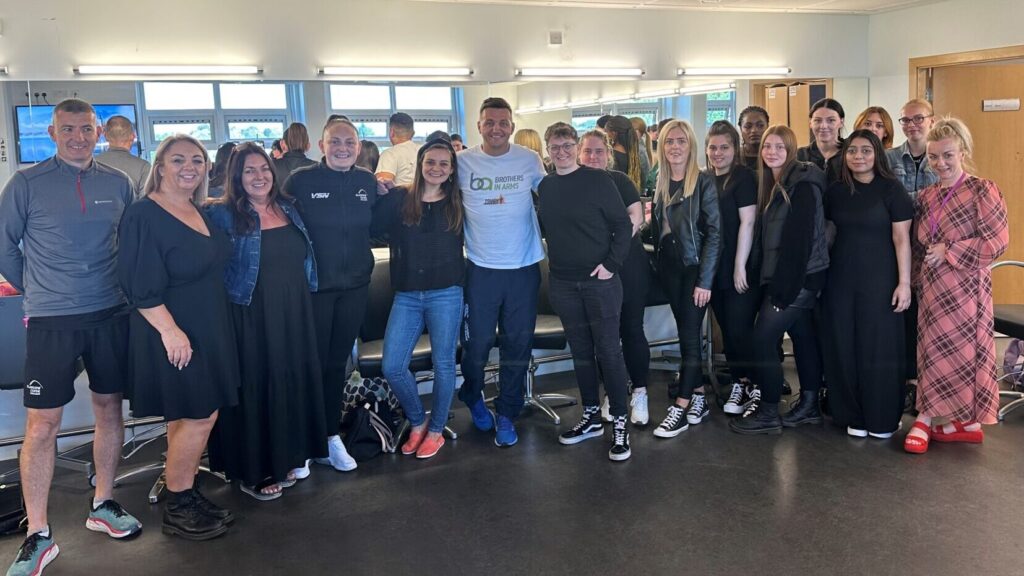
Gary then delivered the training to various student groups within Glasgow Clyde College, and decided to have the programme credit rated onto the SCQF.
During the process, he worked closely with all partners to ensure the design of the programme met the highest standards.
Why SCQF credit rating matters
Placing the training on the SCQF means learners earn a recognised qualification that is quality assured, while developing key skills.
It is a valuable addition to a CV, and having it on the SCQF ensures that employers will understand its level of difficulty and worth.
What participants are saying
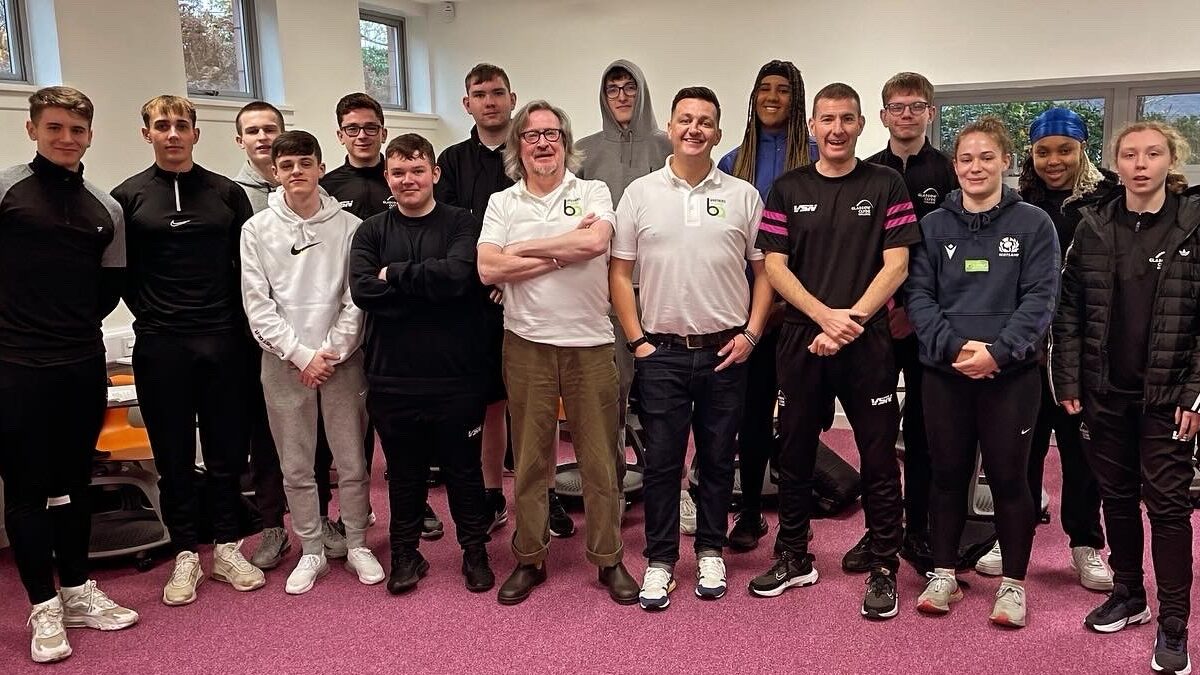
The programme is being delivered at Glasgow Clyde College to students studying hairdressing, sport, fitness and construction. Learners have praised its transformative impact.
Duncan Fisher, a facilities officer at Edrington and course participant, said: “This course has been hugely impactful. I feel much more equipped to support others and start meaningful conversations about mental health.”
With skills in active listening, resilience and crisis intervention, participants are prepared to make a real difference in their personal and professional lives.
Who is the course for?
This programme is designed for:
- Professionals in education, healthcare and charity sectors
- Managers and HR professionals
- Social workers and community leaders
- Individuals who want to better support the men in their lives
Whether you’re helping a colleague, friend or family member, this course empowers you to approach mental health conversations with confidence and care.
Brothers in Arms: Technology meets compassion
Brothers in Arms uses cutting-edge technology to support male mental health. Their Blethr digital therapy platform offers free, anonymous support tailored specifically for men. With no data stored and no referrals needed, Blethr creates a safe space for men to manage their mental well-being.
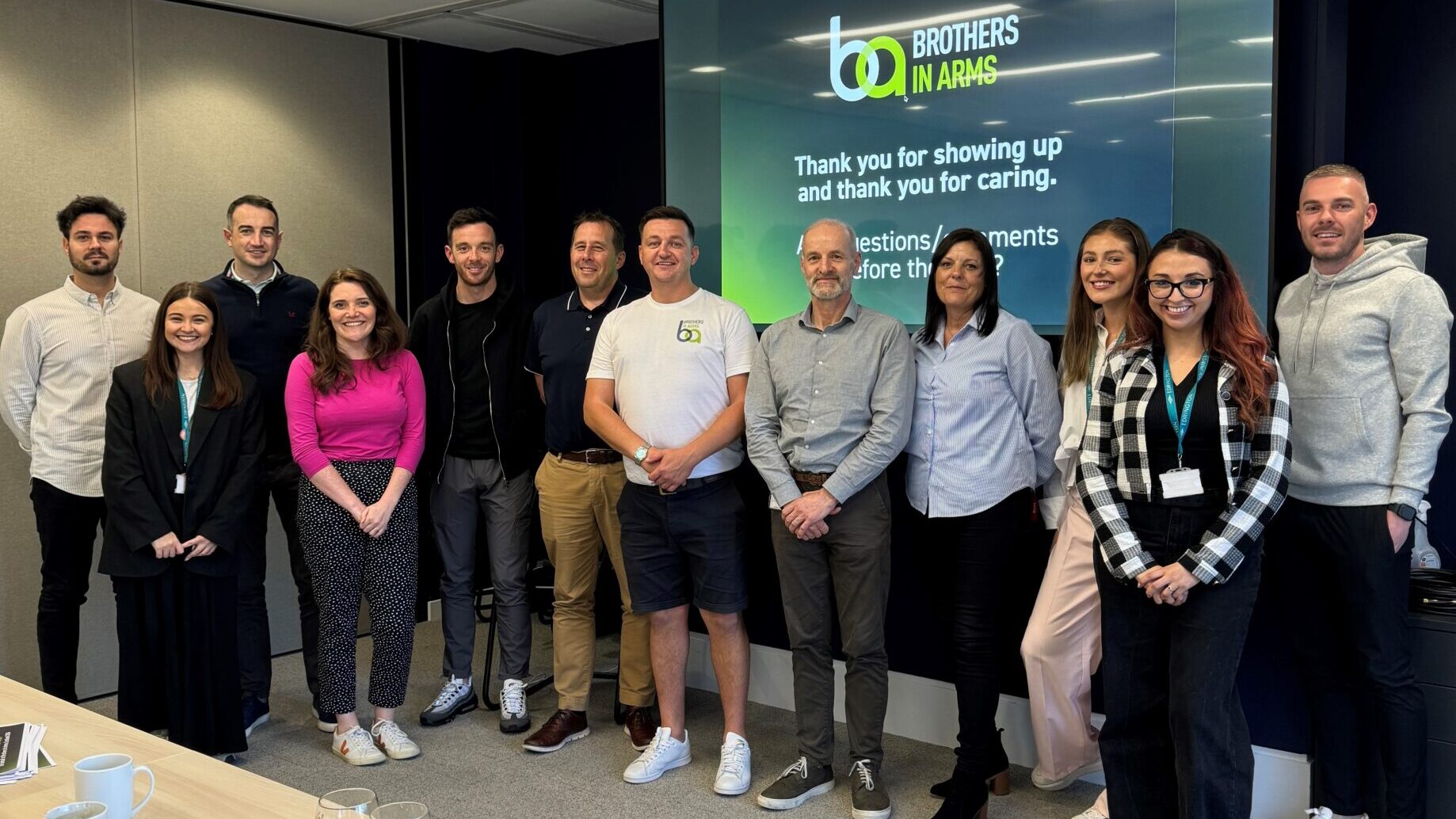
To date, over 2,000 men have accessed therapy through Blethr, while more than 3,000 have engaged with Brothers in Arms’ support content.
How you can make a difference
Introduction to Conversations for Male Mental Health is more than a qualification—it’s a tool for creating positive change in male mental health. By empowering people to have meaningful conversations, Brothers in Arms is working to save lives and break the stigma surrounding mental health issues.
Ready to take the first step?
Learn more about the Introduction to Conversations for Male Mental Health programme.

Explore the Blethr platform for free digital therapy.
Please note, Brothers in Arms is not a crisis service. For urgent help, contact your GP or Samaritans on 116123.
For more information on having your training programme credit rated to the SCQF, please visit Get Your Programme on the SCQF.